
In 2025, Lung Saskatchewan continued to lead with purpose, compassion, and a deep commitment to improving lung health for people across our province. Guided by our mission to improve lung health one breath at a time, we focused on meeting people where they are — through education, support, advocacy, research, prevention, and meaningful community connection.
This year, we continued to strengthen our role as a trusted source of lung health information for patients, caregivers, health professionals, researchers, and communities. Through webinars, professional education, resources, podcasts, and direct support, our team helped ensure that people living with lung disease and those who care for them had access to credible information and practical tools when they needed them most.
We also advanced important prevention and health promotion work. From radon awareness and education to smoking cessation supports, Lung Saskatchewan remained focused on helping people take action to protect their lung health. The Saskatchewan Quits community continued to grow, offering encouragement and connection for individuals working to quit or cut back on smoking. These efforts remind us that change often begins with support, understanding, and the knowledge that no one has to take the next step alone.
Research remained an important part of our impact in 2025. Through our continued partnership with the Saskatchewan Health Research Foundation and our support for Saskatchewan-led lung health research, we helped advance projects that have the potential to improve prevention, treatment, and quality of life for people affected by respiratory disease. We are proud to support Saskatchewan researchers whose work is shaping a healthier future for our province.
Throughout the year, Lung Saskatchewan also continued to advocate for stronger lung health investments and policies, increased awareness of respiratory disease, and greater attention to the needs of people living with lung conditions. Whether addressing tobacco-related harms, environmental risks, access to care, or health equity, our voice is strengthened by the people and communities we serve.
None of this work would be possible without the dedication of our staff, volunteers, Board of Directors, donors, sponsors, health professional partners, researchers, community supporters, and the individuals and families who share their stories with us. Your contributions — whether through time, expertise, advocacy, generosity, or lived experience — make a meaningful and lasting difference.
On behalf of Lung Saskatchewan, thank you for walking alongside us in 2025. Together, we continue to build awareness, inspire action, support those affected by lung disease, and help Saskatchewan breathe easier.

To improve lung health one breath at a time.
Healthy lungs for everyone.
In 2023, Lung Saskatchewan launched a three-year strategic plan to guide the organization's work. This comprehensive plan addresses strategies in education, research, health promotion, and advocacy. We remain focused on inclusivity and evidence-based approaches to lung health.
Lung Saskatchewan supports, collaborates with, and serves an expansive lung health community in Saskatchewan, and now reaches across Canada in the areas of health care professional education and radon.
Our strategic priorities are designed to maximize meaningful impact for the communities we serve. These include, but are not limited to:
We work to expand our capacity and reach through strong, purposeful partnerships and to fund and translate research that delivers real-world value. Lung Saskatchewan continues to strengthen its role as a trusted, primary source of lung health information and as a leading advocate for lung health at municipal, provincial, and federal levels. As lung health challenges evolve, we remain responsive and adaptive to emerging needs across the province and beyond.
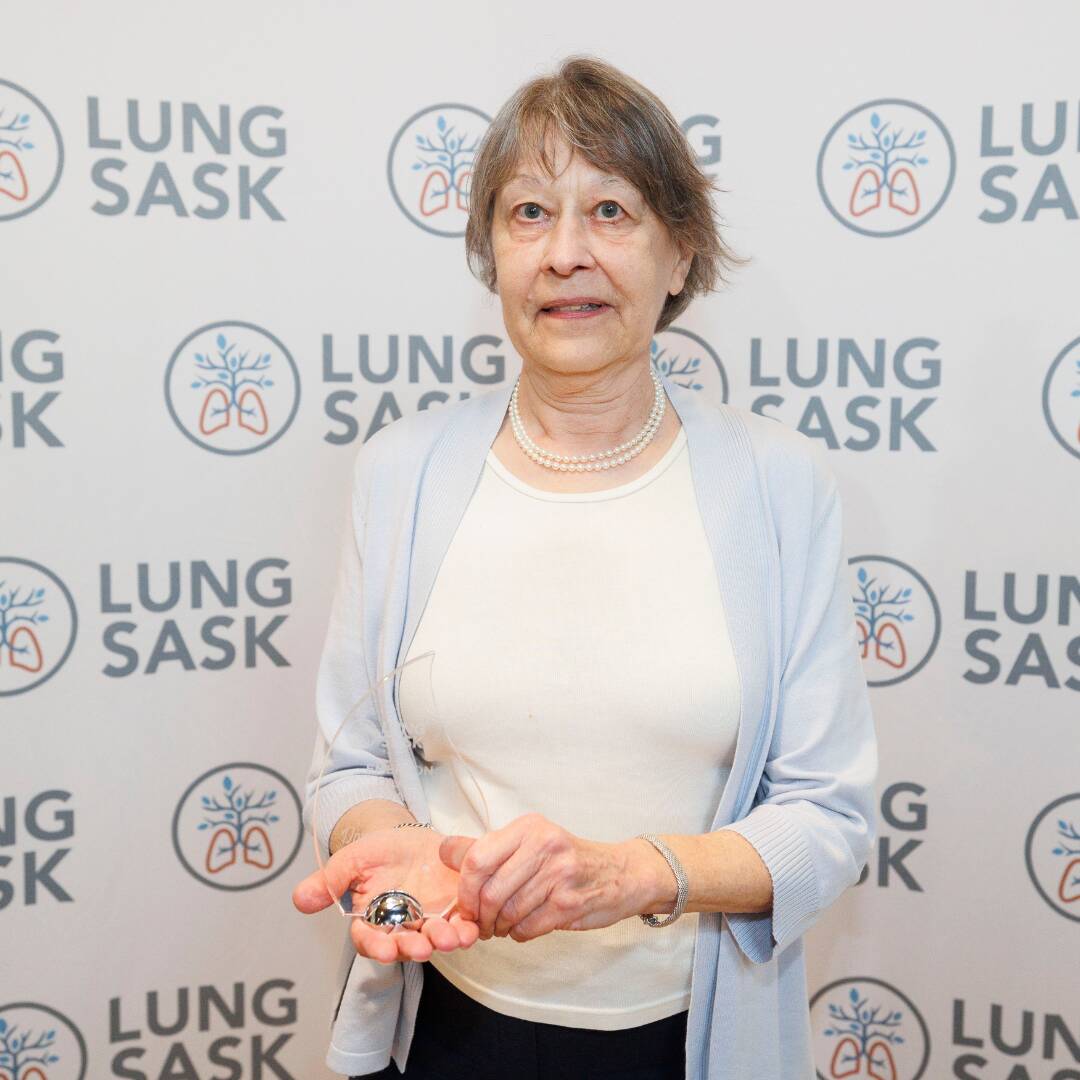
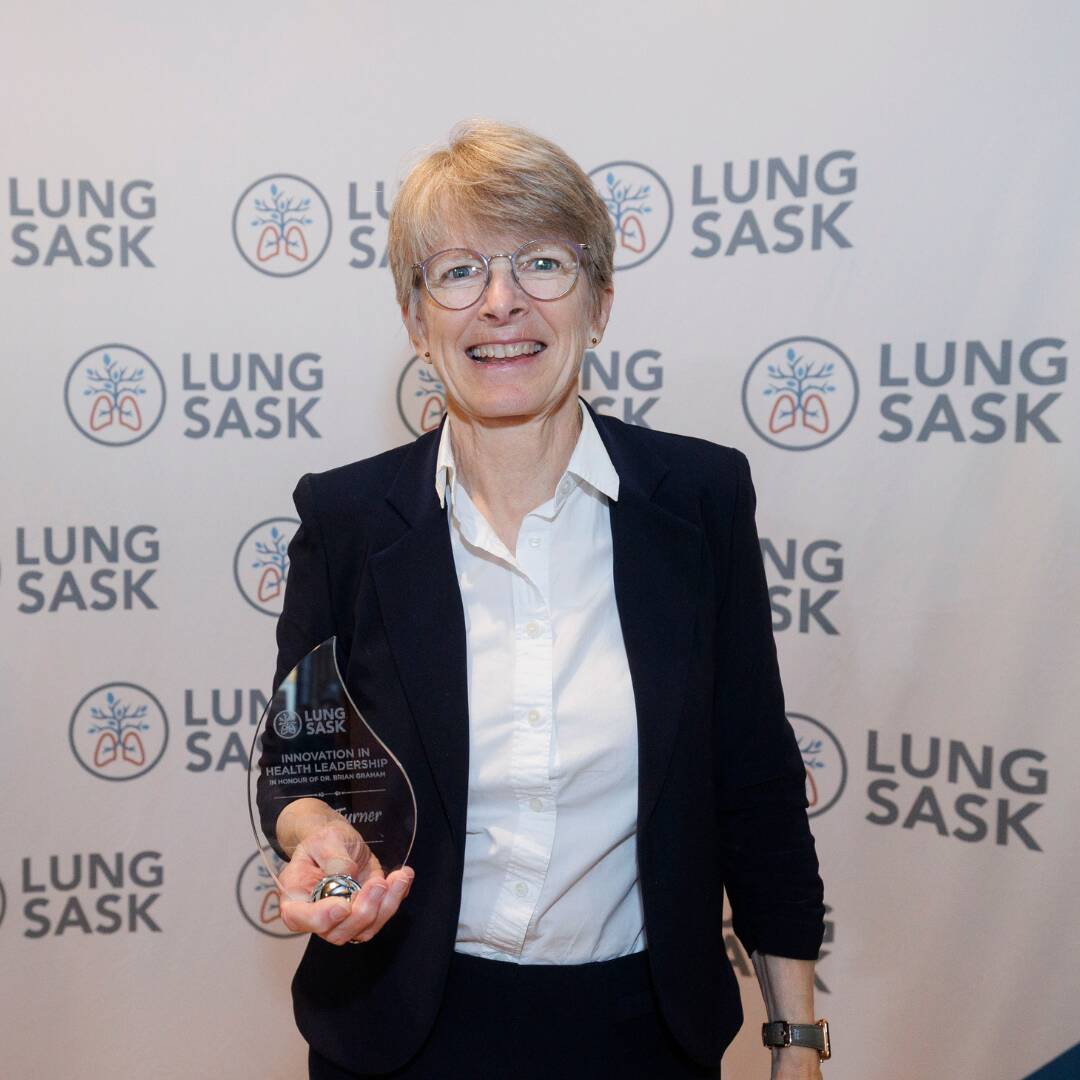
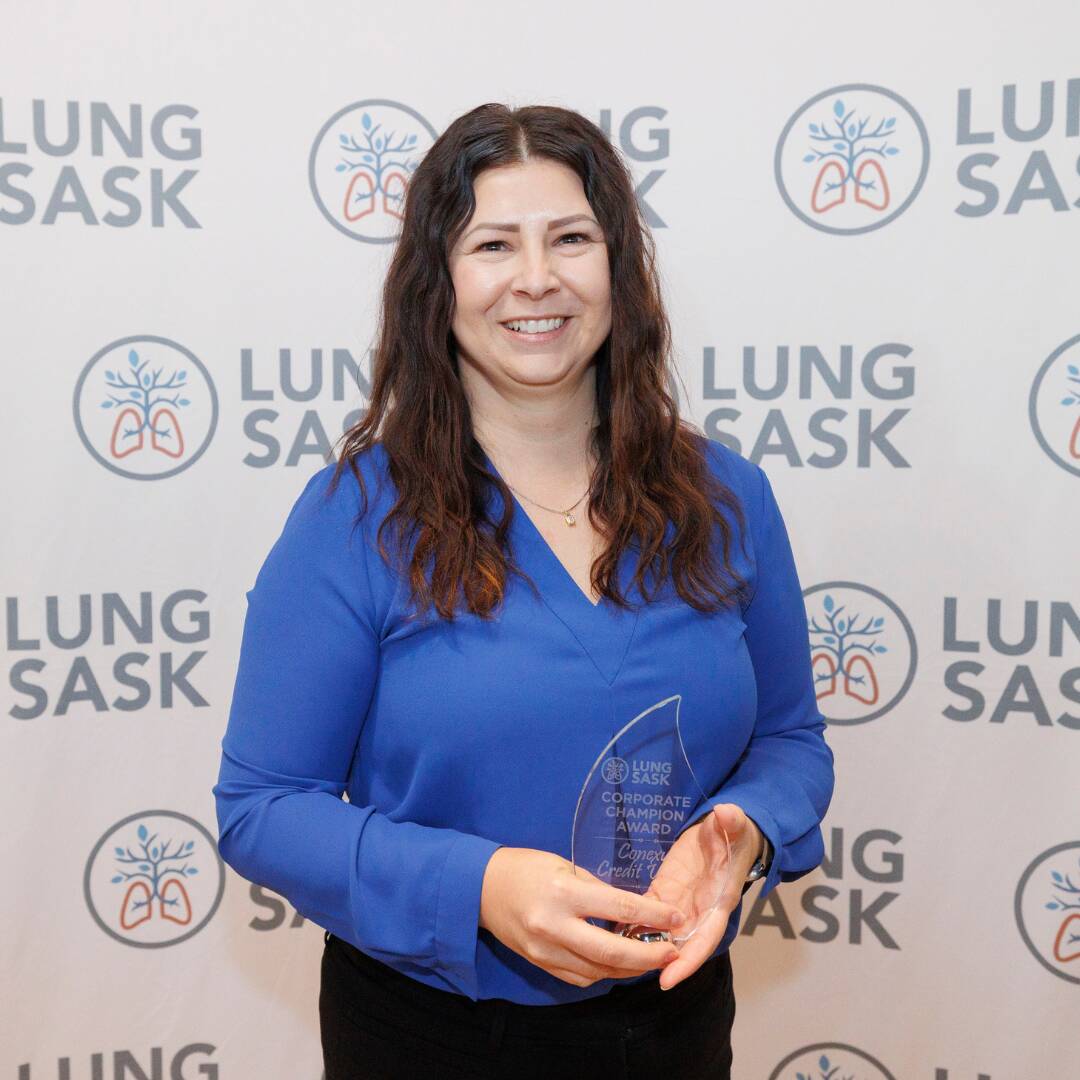
Lung Saskatchewan hosted the 2025 Fall Impact Luncheon, presented by Careica Health, to recognize contributions to lung health across the province. The event brought together partners, healthcare professionals, volunteers, and community members.

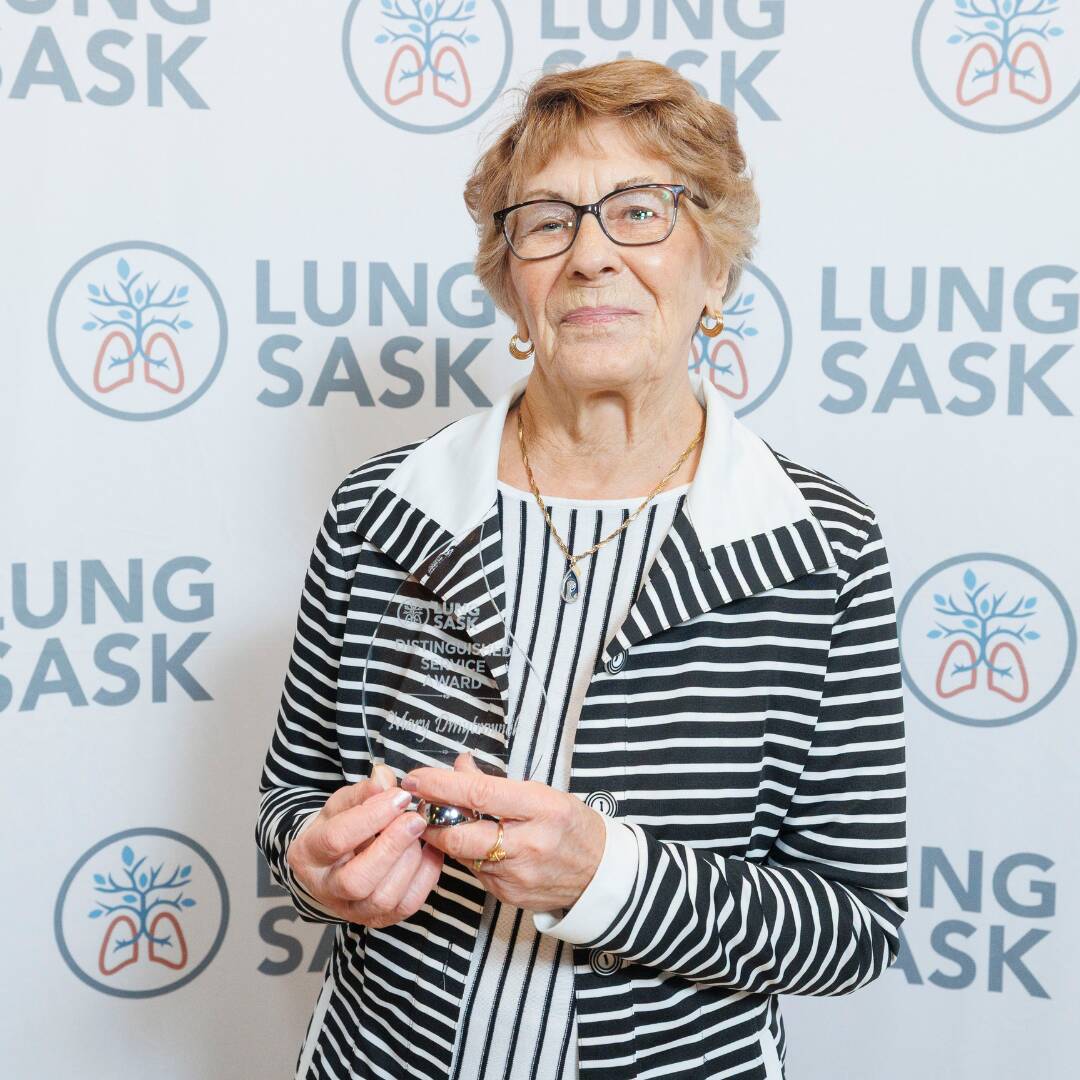
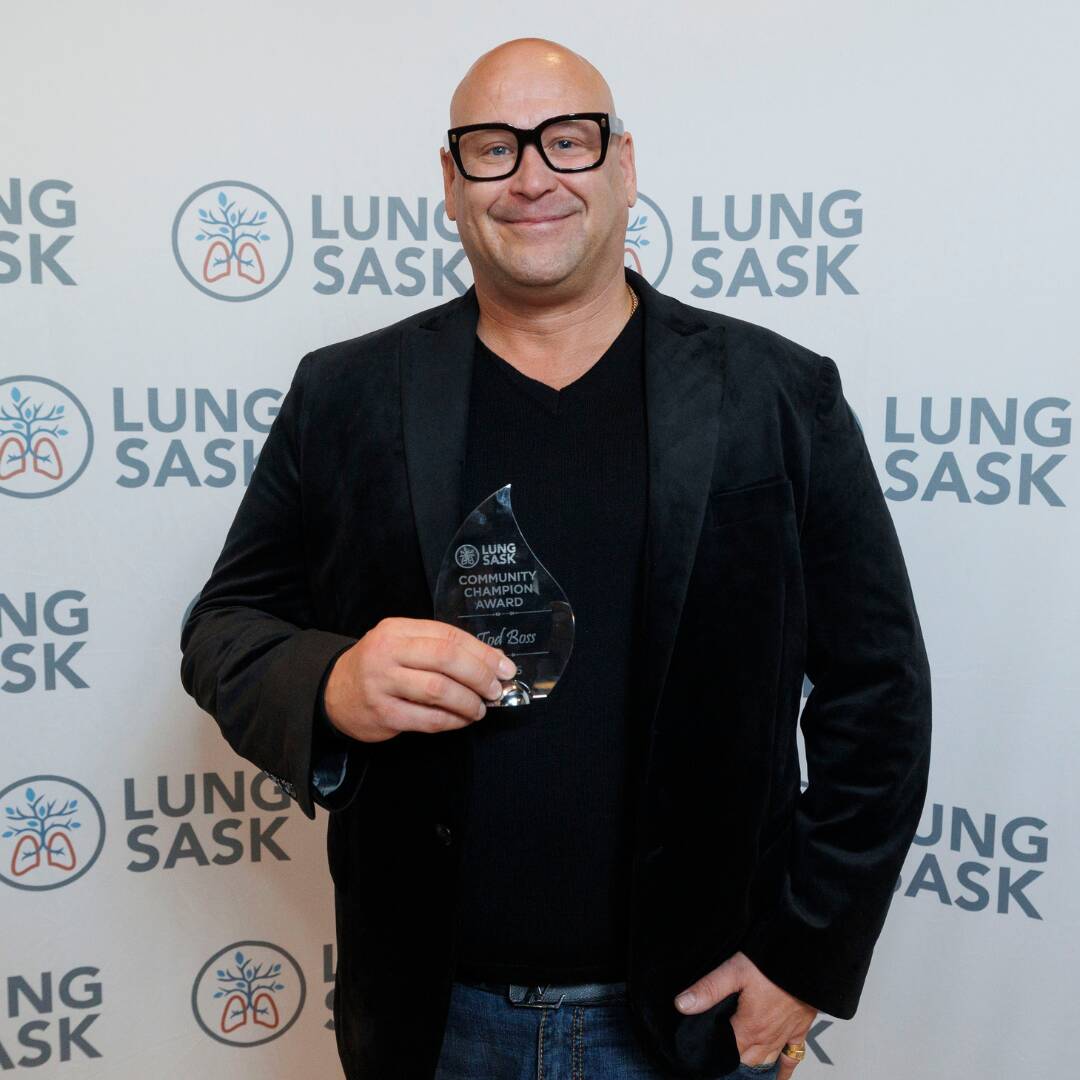
New funding initiatives were introduced to expand support for those with lived experience with lung cancer and lung transplants, as well as for homes facing radon mitigation.
Luana's Legacy Fund was created in honour of Luana Hiebert, an extraordinary Lung Ambassador who bravely shared her radon-induced lung cancer journey and encouraged others to test their homes. Luana sadly passed away in 2025 but left a legacy of courage and advocacy. Her story continues to raise awareness, inspire action, and help protect countless families across Saskatchewan against the dangers of radon.
Seeded through generous support from Vent Pro Mechanical, Quality Hydraulic Repair, and donors wishing to honour Luana's legacy, the fund is offered through the Caring Breaths Financial Assistance Program to support individuals facing lung cancer, assist families with radon mitigation, and advance radon education and awareness. The program helps cover essential costs not supported by the provincial system, including eligible expenses related to lung transplantation (before and after transplant), lung cancer care, and radon mitigation to reduce lung cancer risk.

In honour of their long-time volunteer leadership with Lung Saskatchewan and the Lung Foundation of Saskatchewan, the Jim and Marjorie Burnett Bursary was established, ensuring their legacy continues to inspire future lung health professionals. This bursary supports individuals pursuing post-secondary education in respiratory health. It is funded by The Lung Foundation, Lung Saskatchewan, and donors who wish to contribute to this legacy.


I kept falling asleep in the middle of the afternoon, and I knew something wasn't right.
Elisabeth's diagnosis helped explain years of exhaustion and showed how much treatment can change daily life. Through Lung Saskatchewan's sleep apnea support meetings and education, she found information that helped her understand the condition and encourage others to take symptoms seriously.
Read Elisabeth's storyLung Saskatchewan continues to support students through placements and applied research opportunities that build practical experience while contributing to lung health across the province.
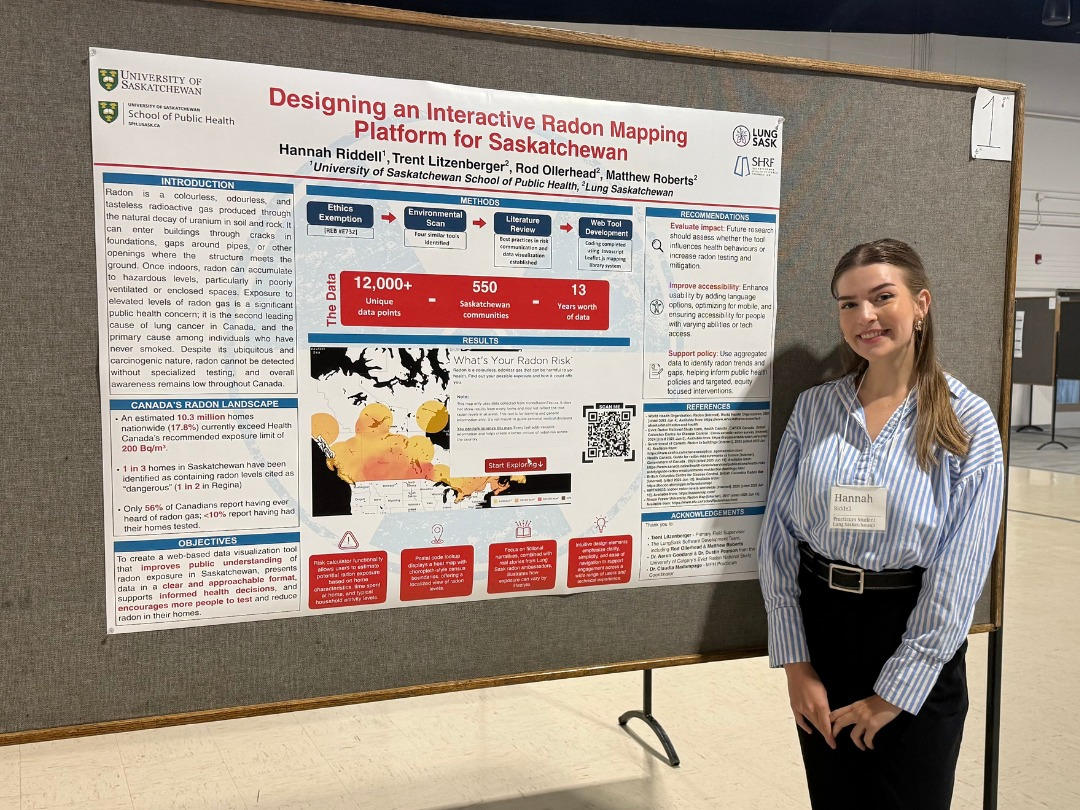
University of Saskatchewan Master of Public Health student Hannah Riddell supported the development of an innovative Radon Mapping Tool. Funded through a Connections Mobilize Grant from the Saskatchewan Health Research Foundation, this web-based tool uses data from more than 21,000 locations to map radon levels across Canada.
The tool identifies higher-risk areas and promotes testing and mitigation. Improved access to radon information supports informed decision-making and helps reduce the risk of radon-related lung cancer.
Lung Saskatchewan continued its partnership with the University of Saskatchewan's College of Nursing, providing fourth-year students with clinical placement opportunities.
Nursing students Joyce Braun and Jared Booth gained hands-on experience through home oxygen testing, pulmonary rehabilitation support, and collaboration with respiratory therapists and registered nurses. Contributions to education and outreach included participation in content creation for COPD assessment training (RESPTREC), leading online and in-person support sessions focused on energy conservation, participating in community events and health fairs, and developing patient education and social media content.
These placements provide valuable practical experience while supporting Lung Saskatchewan programs and services.
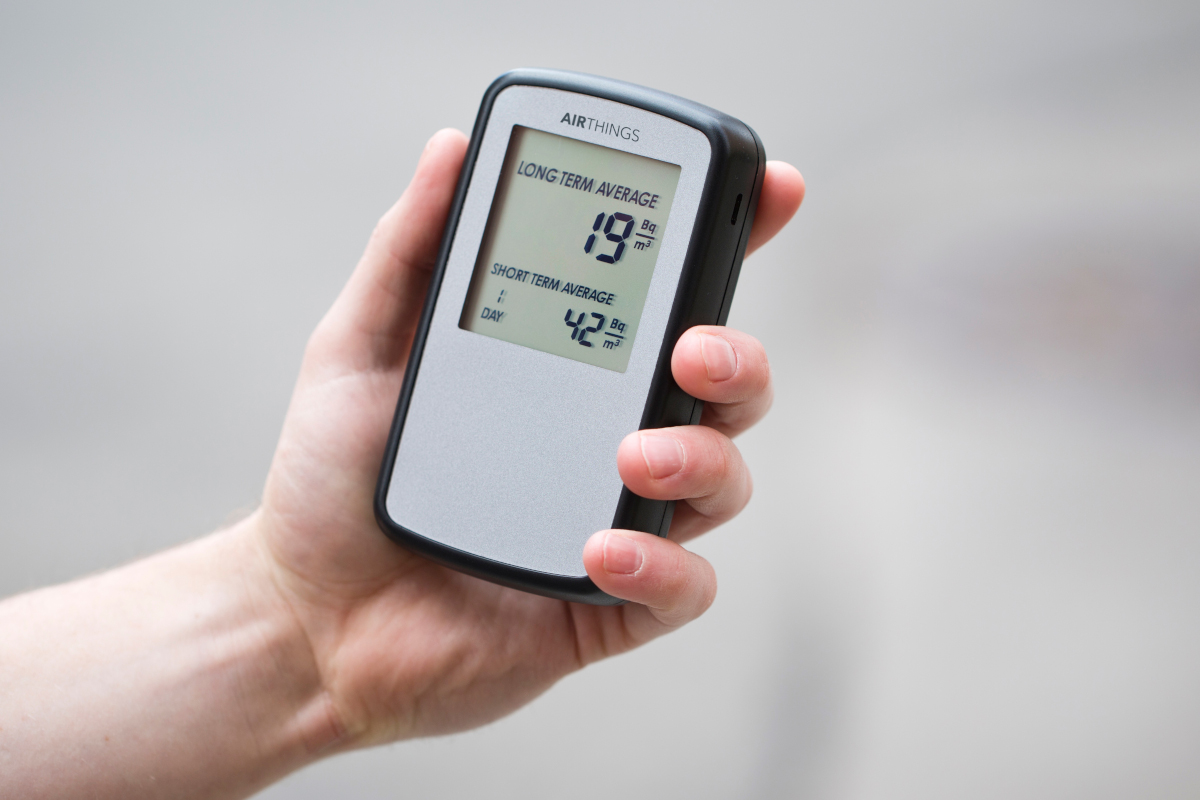
Lung Saskatchewan continued to support radon awareness and testing initiatives through library lending programs across Saskatchewan.
Through partnerships with the Library of Things YXE, Saskatoon Public Library, Regina Public Library, and the Palliser, Southeast, Parkland, Lakeland, and Chinook Regional Libraries, electronic radon monitors are available for public lending. These devices provide a simple screening tool to help households better understand radon levels in their homes.
This year the programs were expanded with additional radon monitors supported by Lung Saskatchewan and Health Canada. These devices are available for 28-day loan periods between October and March, improving community access to short-term radon screening tools. Participants are encouraged to follow up with long-term radon testing (three months or longer) to obtain more comprehensive and reliable results.

It was an extremely awful and scary feeling to not be able to breathe.
After her COPD diagnosis, Connie turned to Lung Saskatchewan for trusted information and connection. Through the COPD Community of Support and education webinars, she found practical guidance, encouragement without judgment, and tools to help manage her health while living in a rural community.
Read Connie's storyEnsuring the long-term sustainability of Lung Saskatchewan is essential to maintaining and expanding our impact. We are focused on growing and diversifying revenue while practicing fiscal responsibility and strong stewardship of resources. At the same time, we strive to position Lung Saskatchewan as an employer and organization of choice within the health sector, fostering a positive, respectful experience for staff, volunteers, partners, and all individuals who engage with our programs and services.
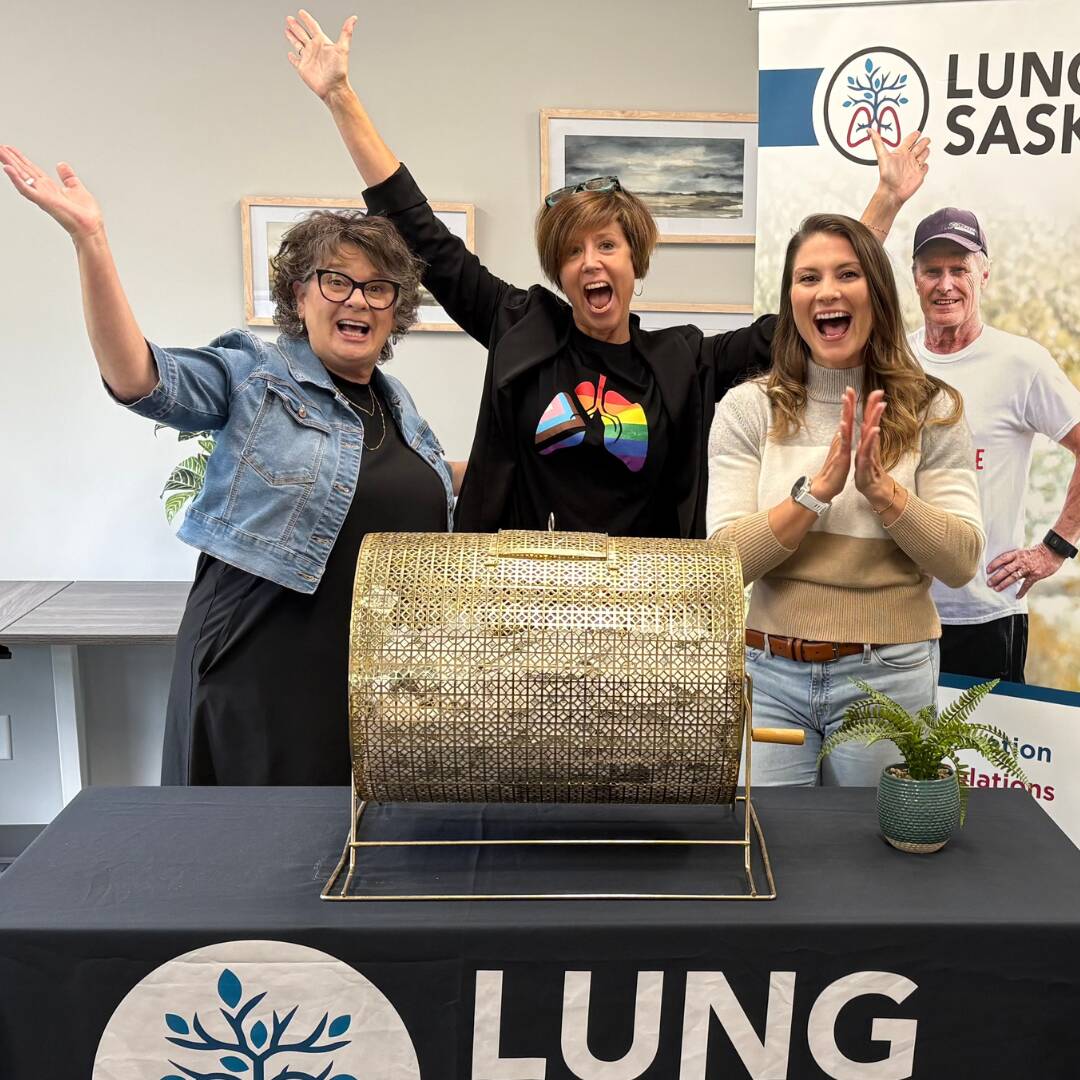
Lung Saskatchewan continued to grow and evolve its raffle offerings this year, delivering three successful campaigns: the Breathe Strong Raffle, SaskatcheWIN 50/50, and the Breathe & Win Raffle.
The SaskatcheWIN 50/50 Raffle achieved a record-breaking milestone, with the summer jackpot reaching $154,820, the largest in its history. This achievement reflects the ongoing generosity of supporters across Saskatchewan, with every ticket sold contributing to improved lung health while creating the opportunity for a life-changing win.
Across the raffles, a range of high-value travel, entertainment, and lifestyle prizes helped drive strong engagement and participation. Proceeds from these raffles support Lung Saskatchewan's work in education, advocacy, research, and patient programs across the province.



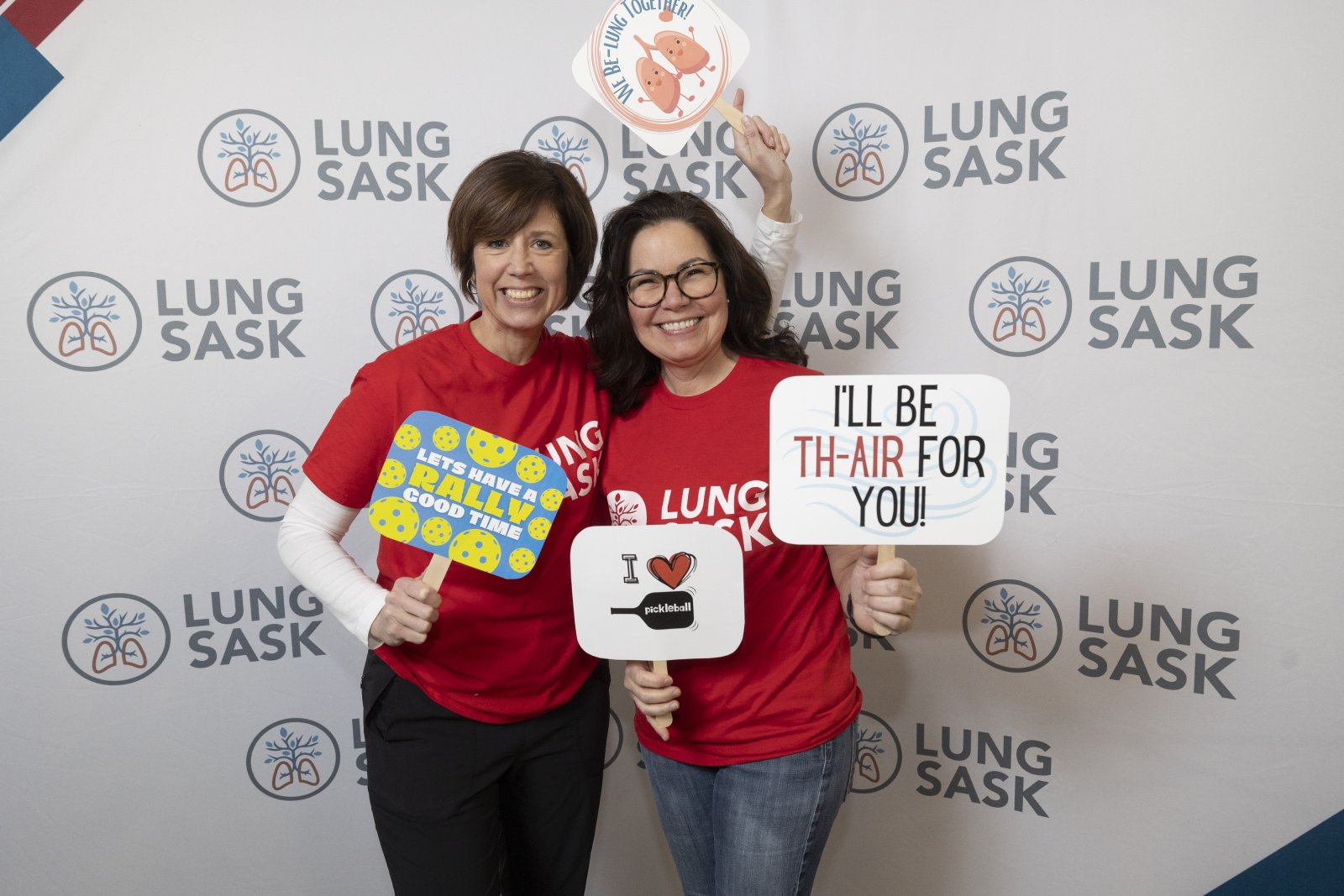
Lung Saskatchewan hosted its inaugural Feisty Pickles Pickleball Tournament in April at the Saskatoon Kinsmen Henk Ruys Soccer Centre. The event brought together more than 50 teams and created a full day of energy, community spirit, and friendly competition.
Beyond the court, the tournament had a meaningful purpose. Participants of all skill levels came together to raise nearly $30,000 in support of Breathing Space, an innovative project designed to support lung transplant patients.

Because lung transplant surgery is not performed in Saskatchewan, patients must travel out of province for care. This often creates significant financial and emotional strain, as patients and their families must find and pay for temporary accommodation during recovery. Breathing Space aims to address this gap by providing a safe, affordable, and supportive place to stay, designed specifically for the needs of lung transplant patients and their caregivers.
Lung Saskatchewan is proud to partner with Alberta Lung on the Breathing Space project in Edmonton. This facility will be the first of its kind in Western Canada, offering a compassionate environment where patients can recover while staying close to medical care, with space for family members to remain nearby.
The Feisty Pickles Tournament demonstrated the power of community-driven events to raise awareness and funds, helping reduce barriers for patients and improving access to life-saving care.

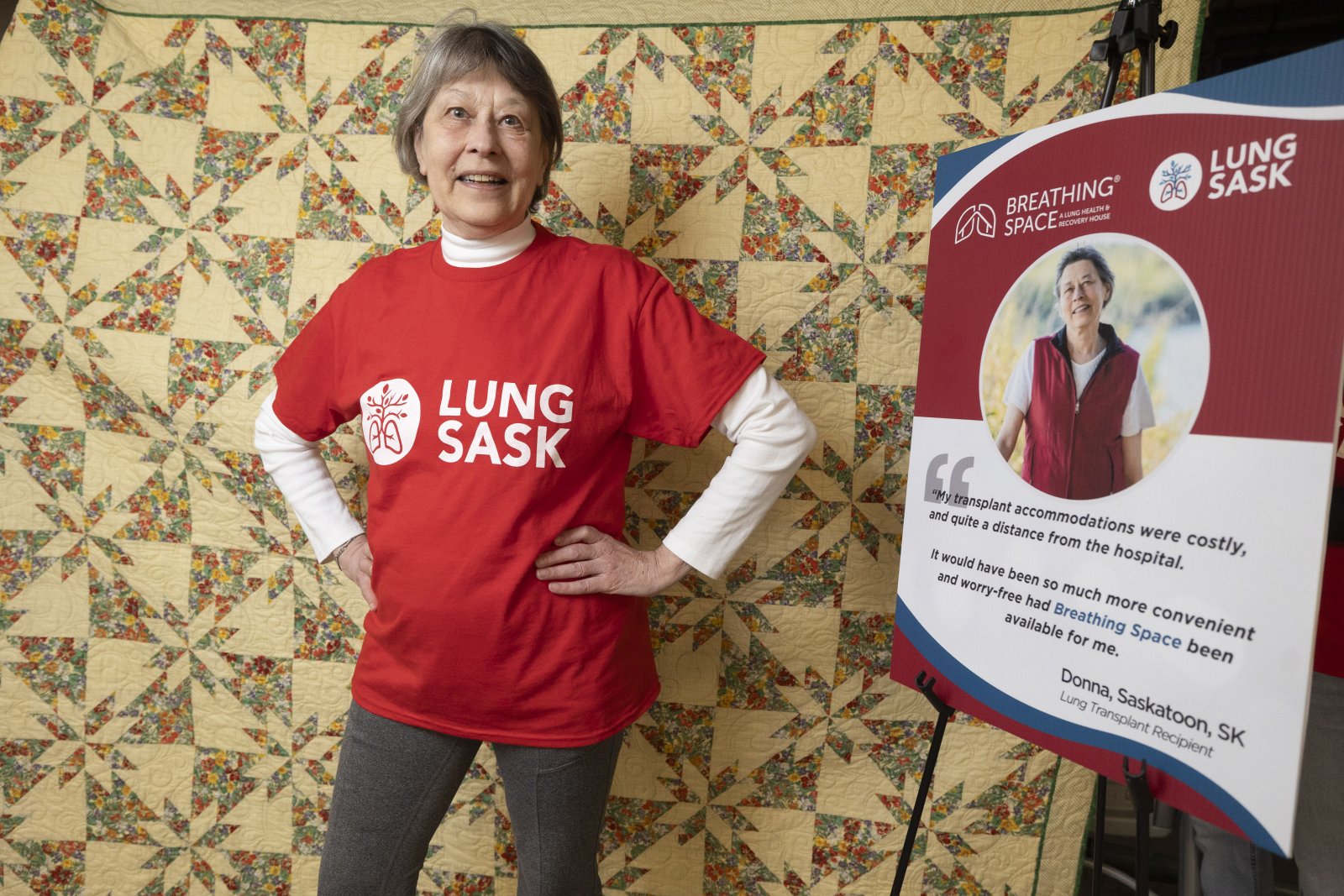



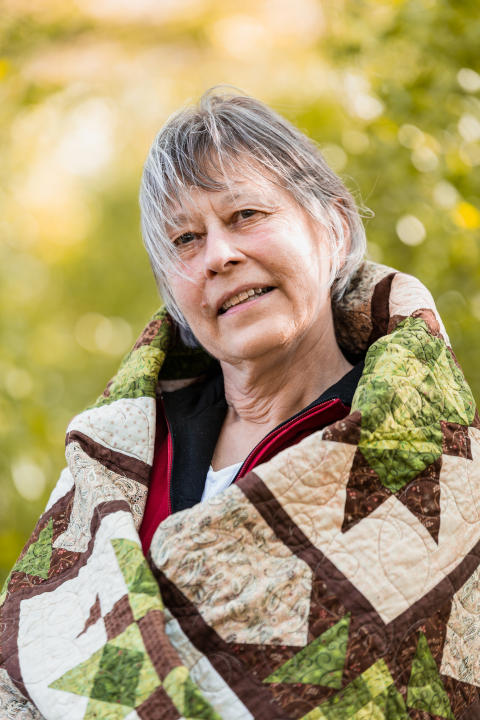
My transplant accommodations were costly, and quite a distance from the hospital. It would have been so much more convenient and worry-free if Breathing Space had been available for me.
Donna's lung transplant meant leaving Saskatchewan for months of care in Edmonton, with added costs and pressure on her caregiver. Her experience now fuels her advocacy for the Breathing Space campaign, which aims to create a place where transplant patients and families can find stability, comfort, and support while they are far from home.
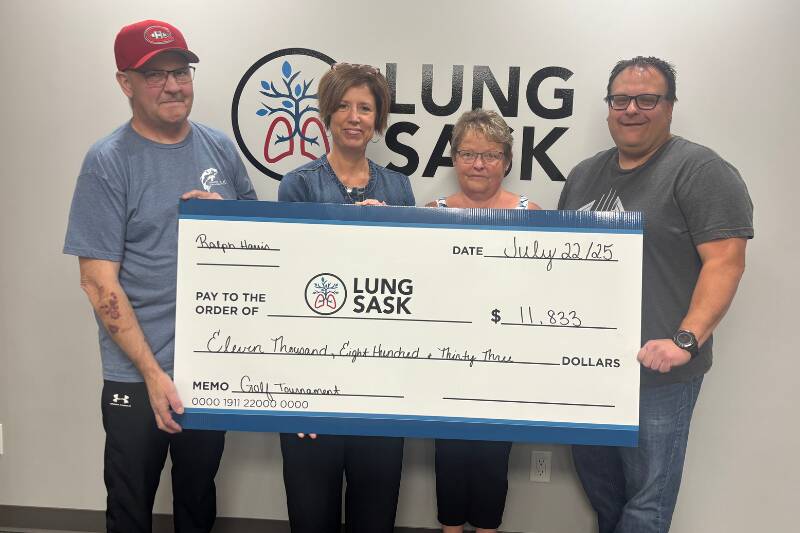
Read Donna's storyFor the third consecutive year, Ralph Harris, Lung Saskatchewan Ambassador and double lung transplant recipient, brought the community together through his annual golf tournament fundraiser at Hidden Hills in Shellbrook. The event raised funds in support of lung health initiatives across the province.
In recognition of Green Shirt Day on April 7, Lung Saskatchewan Ambassador and double lung transplant recipient Larry Labbe participated in a ceremonial puck drop at a Battlefords North Stars playoff game, helping raise awareness about the importance of organ donation.
In 2023, Larry was diagnosed with pulmonary fibrosis, a condition that made everyday activities increasingly difficult. In August 2024, he received a life-saving double lung transplant. Since then, he has become a strong advocate for organ donation and lung health, encouraging others to consider registering as donors.

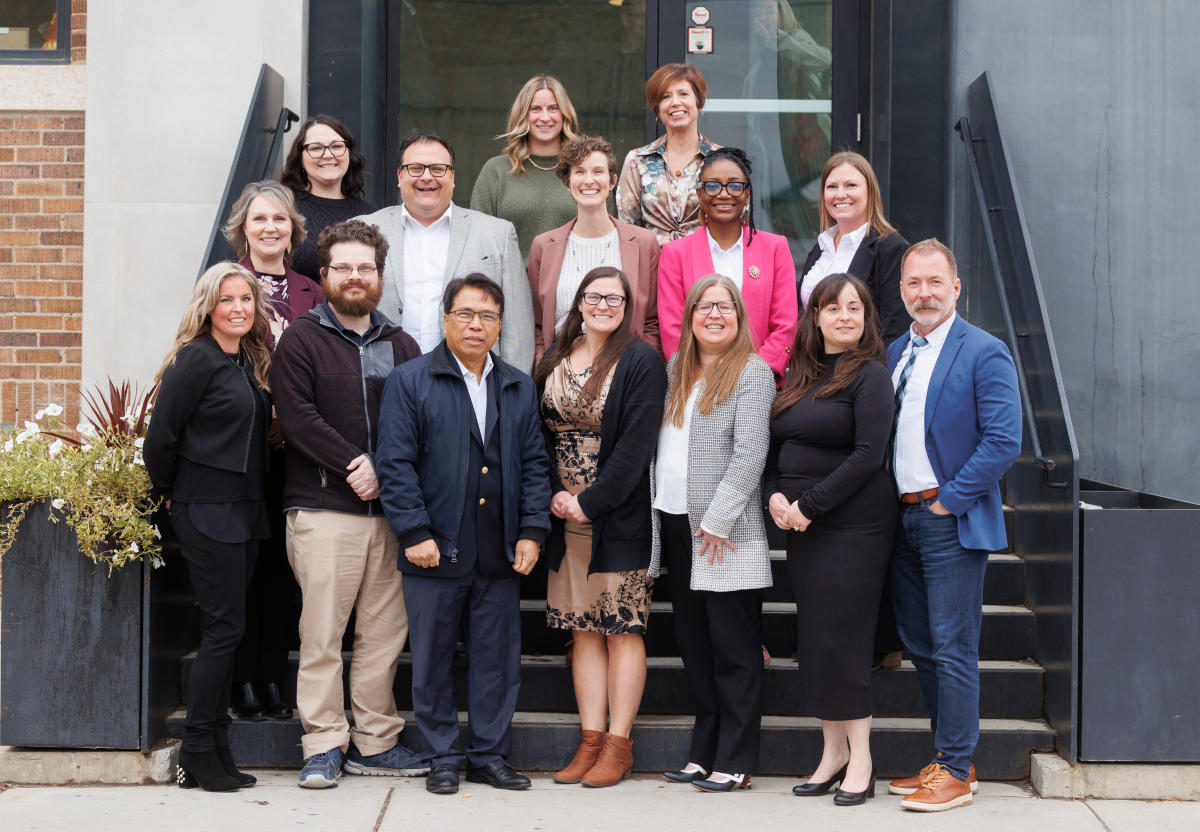
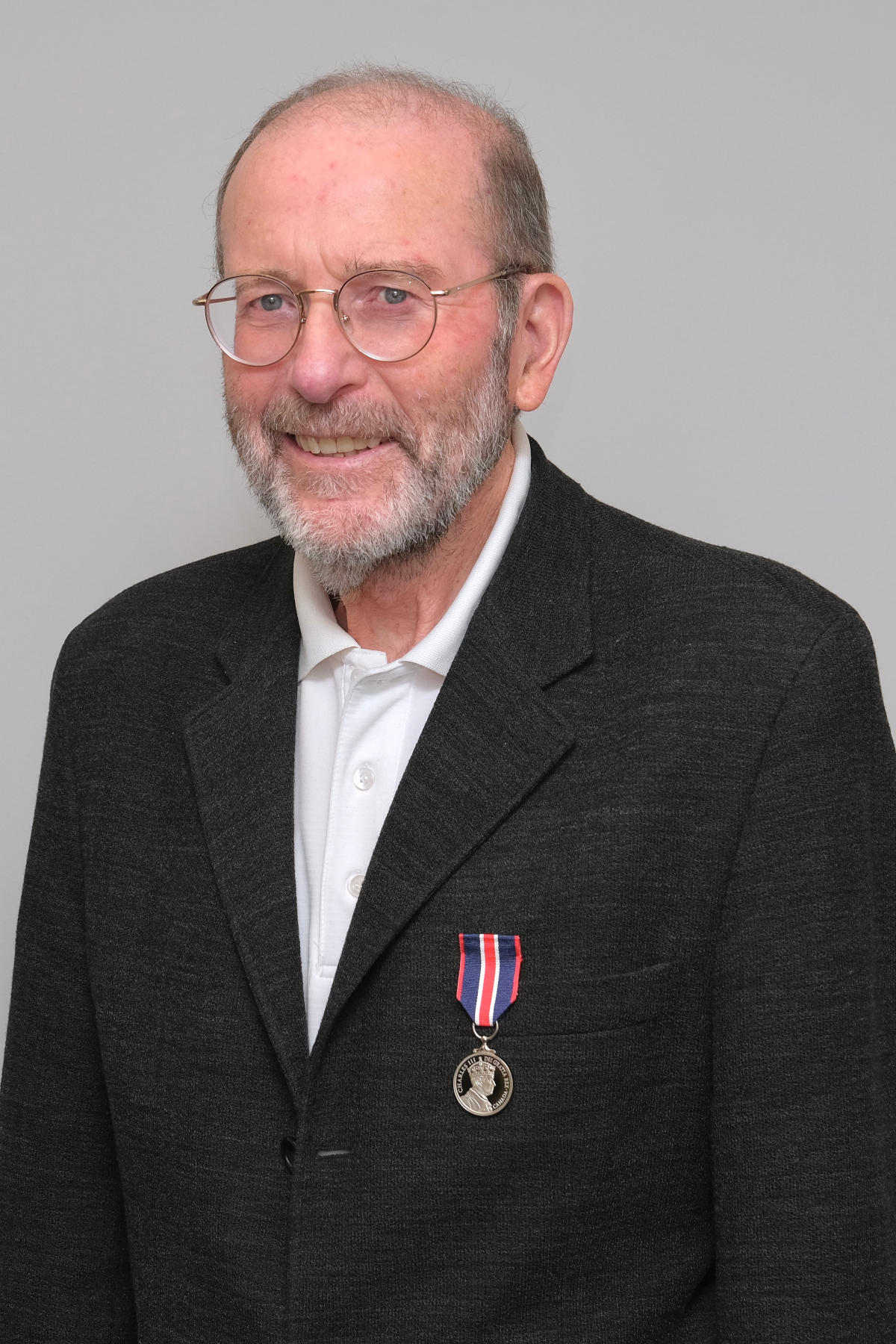
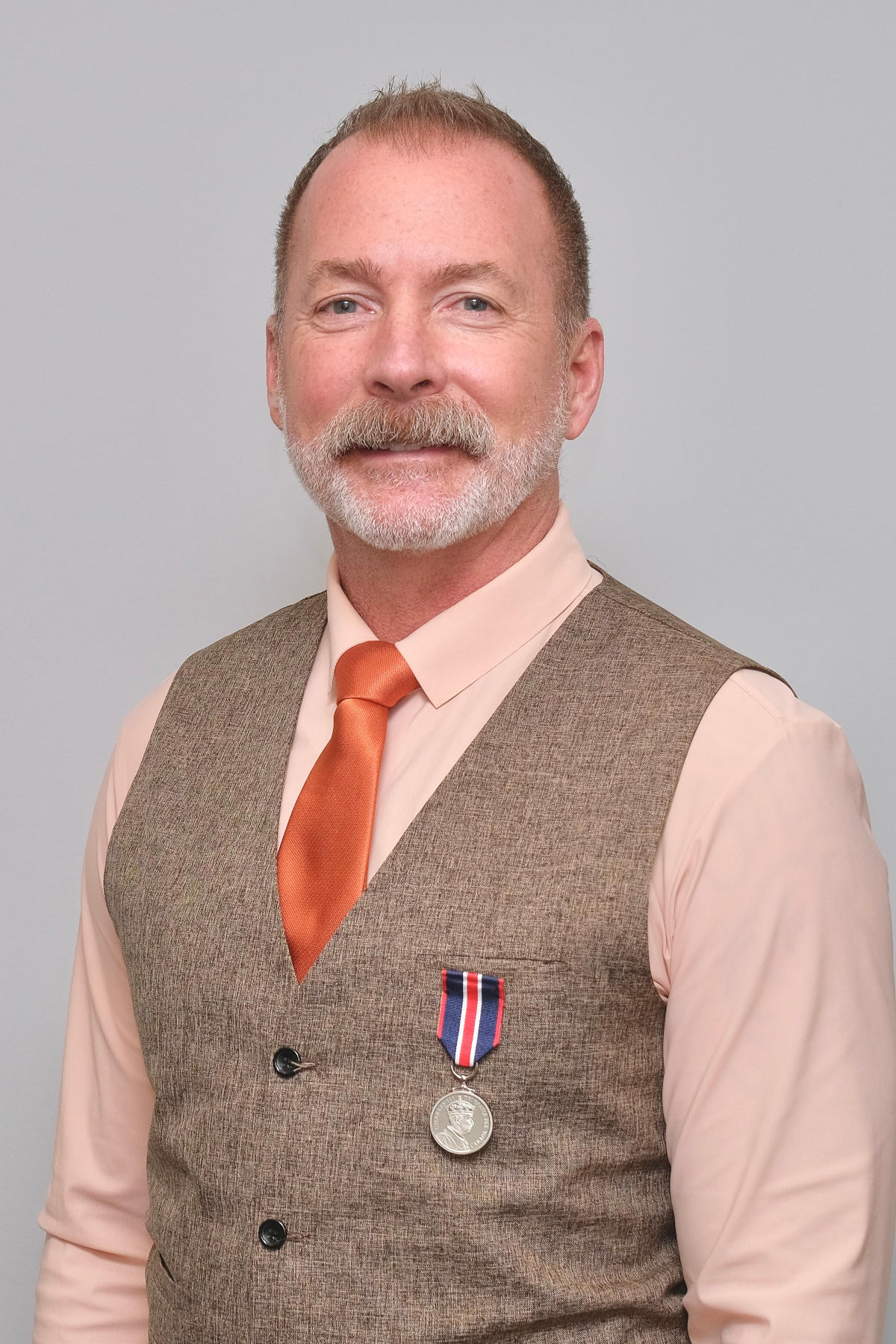
Three members of the Lung Saskatchewan community were recognized with the King Charles III Coronation Medal for their outstanding contributions to lung health in Canada. Recipients included Tina Campbell, Registered Nurse and Board Member of Lung Saskatchewan; Dr. Brian Graham, researcher and former President and CEO of Lung Saskatchewan; and Trent Litzenberger, Vice President, Mission Integration at Lung Saskatchewan.
The King Charles III Coronation Medal recognizes individuals who have made significant contributions to their communities and to Canada. These honours reflect the continued impact of leadership and service within the lung health sector.
Lung Saskatchewan acknowledges the Canadian Lung Association for coordinating the nominations of these recipients.

At Lung Saskatchewan, reconciliation, equity, diversity and inclusion are foundational to our work. We are committed to honouring the Truth and Reconciliation Commission's Calls to Action and to fostering meaningful reconciliation and healing. We continue to strengthen our organizational practices to ensure that REDI principles are embedded in our programs, partnerships, and decision-making, and that our work reflects a genuine commitment to equity and respect for all the communities we serve.
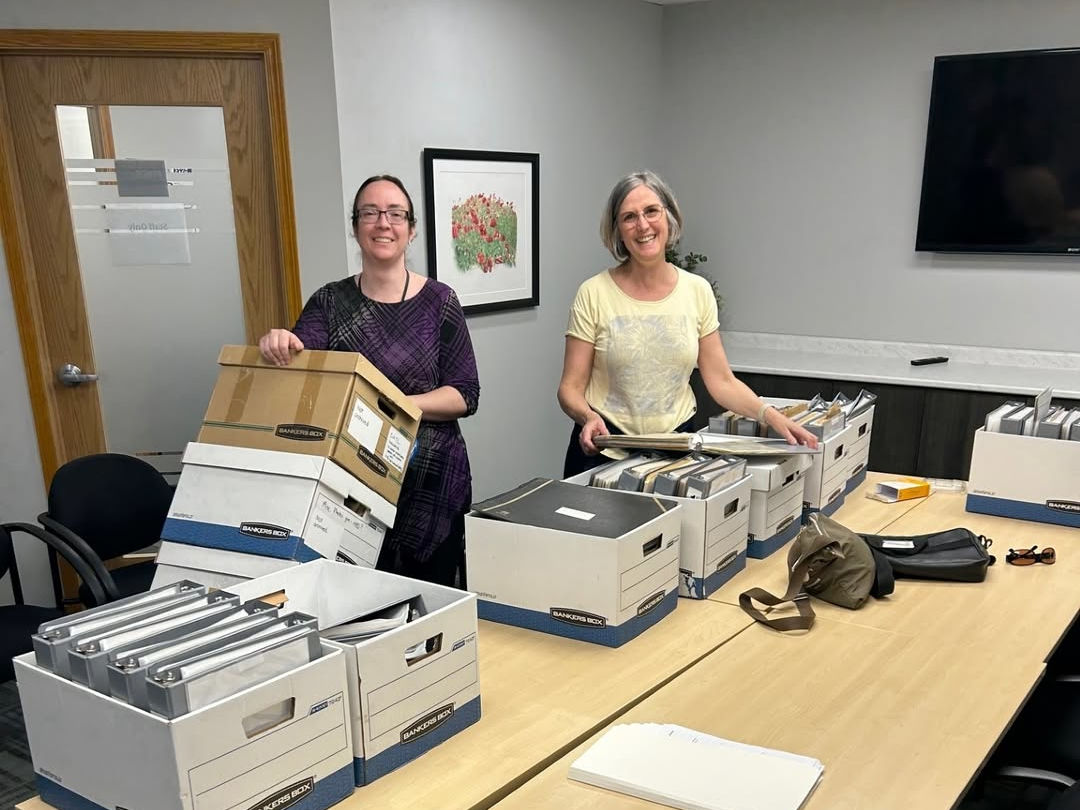
Lung Saskatchewan reached an important milestone this year with the formal transfer of remaining historical records to the Provincial Archives of Saskatchewan. This work is the result of several years of collaboration with partners, including The Office of the Treaty Commissioner, the University of Saskatchewan, the National Centre for Truth and Reconciliation, and other community organizations.
The collection includes reports, photographs, correspondence, and artifacts documenting the work of Lung Saskatchewan's predecessor, the Saskatchewan Anti-Tuberculosis League. These materials reflect an important part of the province's health history and the experiences of individuals and families affected by tuberculosis.
Over the past two years, Lung Saskatchewan has worked to digitize these records, with support from partners and grant funding, to improve access for individuals seeking information about loved ones who were treated in sanatoria and those who may have been treated in sanatoria and connected to residential schools. The transfer to the Provincial Archives ensures these materials will be preserved, properly managed, and accessible for future research, in accordance with appropriate access guidelines.
This work supports ongoing efforts toward truth and reconciliation and aligns with Call to Action 69. Lung Saskatchewan continues to facilitate the TB and Residential Schools Advisory Group to support respectful information sharing and continued engagement.
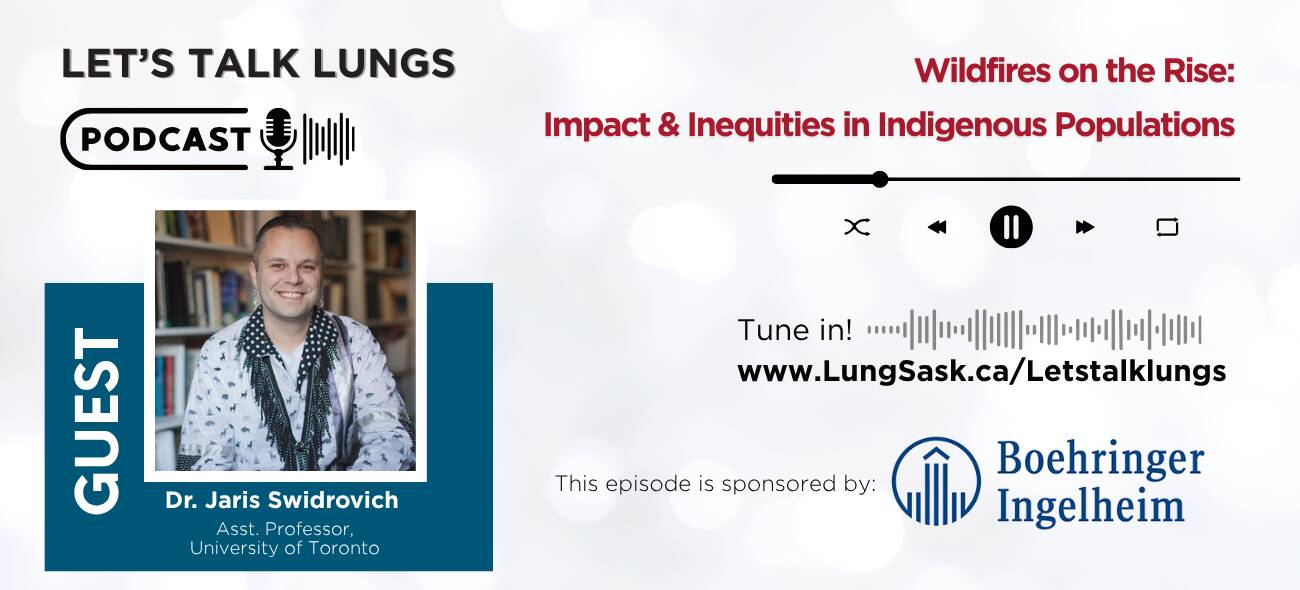
As part of its commitment to Reconciliation, Equity, Diversity, and Inclusion (REDI), Lung Saskatchewan featured a Let's Talk Lungs podcast conversation on the impact of wildfires on Indigenous communities and related respiratory health inequities. The discussion examined the disproportionate effects of wildfire exposure and the role of environmental factors in respiratory health disparities. It also highlighted the importance of addressing environmental health risks through an equity lens and centering Indigenous perspectives in respiratory health research and policy.
The episode featured Dr. Jaris Swidrovich, Assistant Professor and Indigenous Engagement Lead at the University of Toronto. Dr. Swidrovich is a Two-Spirit Saulteaux and Ukrainian pharmacist from Yellow Quill First Nation (Treaty 4 Territory, Saskatchewan), with expertise in Indigenous health and health equity.

TB is still widely misunderstood, both in terms of its impact on affected populations and the disease itself.
Tina's experience as a TB patient, nurse, advisor, and Indigenous healthcare provider shapes her advocacy for education, trust, and culturally informed care. Her story points to the work still needed to reduce stigma, improve access, and support TB prevention and treatment in Indigenous communities.
Read Tina's storyWe are proud to invest in Saskatchewan-led research that advances how lung disease is understood, diagnosed, and treated. Through our ongoing partnership with the Saskatchewan Health Research Foundation, we awarded a total of $200,000 in research funding in 2025 to support innovative projects that have the potential to improve respiratory care locally and beyond.

This University of Saskatchewan-led project aims to develop advanced out-of-body lung models that closely mimic the structure and behaviour of real human lungs. These models will allow researchers to study lung diseases in more realistic ways, accelerating discoveries and improving the development of new therapies. This investment also helps establish long-term, interdisciplinary research collaboration within Saskatchewan, strengthening the province's capacity for future lung health innovation.
This Saskatchewan-led research project is developing a new, non-invasive approach that delivers the ablation tool through the patient's airway rather than through the chest. This method has the potential to reduce complications, protect lung function, and improve recovery for patients. Saskatchewan has a long history of leadership in ablation techniques, and this project builds on that expertise to benefit patients across the province, Canada, and internationally.
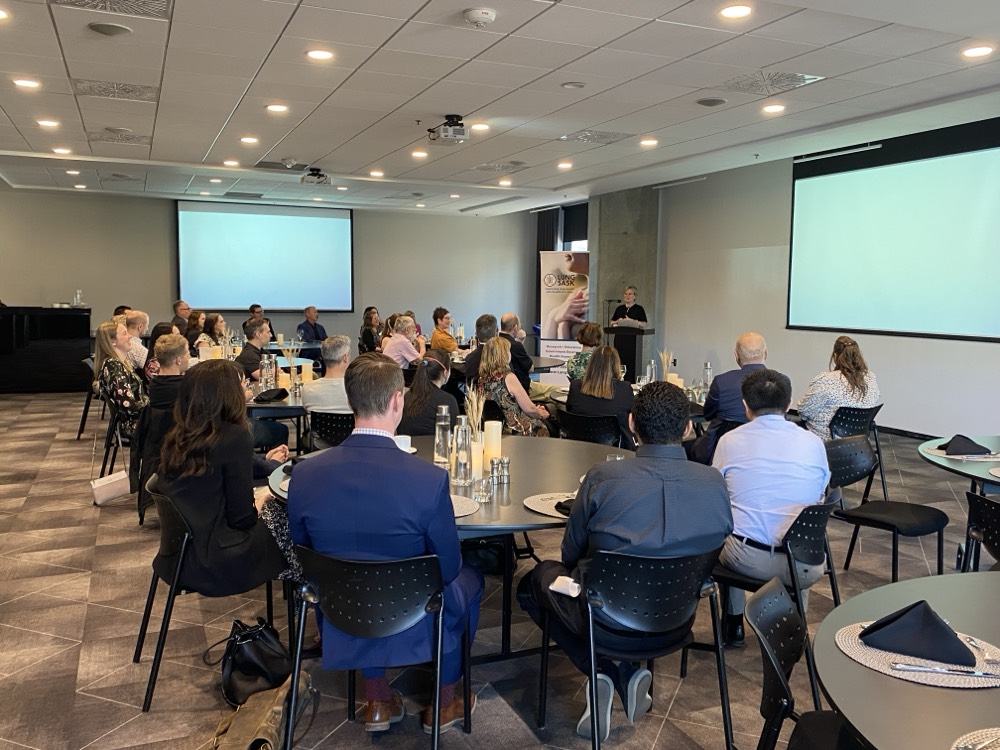
In partnership with the Division of Respirology, Critical Care and Sleep Medicine at the University of Saskatchewan, Lung Saskatchewan hosted the Saskatchewan Respirology Summit in May in Saskatoon. The Summit brought together Saskatchewan respirologists, members of the Division of Respirology, Critical Care and Sleep Medicine at the University of Saskatchewan, and representatives from the Saskatchewan Health Authority to discuss collaboration, best practices, and the ongoing delivery of respiratory health services across the province.
Participants reaffirmed their commitment to working together to strengthen respiratory care in Saskatchewan through shared knowledge, collaboration, and continued planning for the future of lung health services. A highlight of the event was the DW Cockcroft Lecture, delivered by Dr. Grace Parraga, an internationally recognized Canadian lung-imaging scientist and Tier 1 Canada Research Chair at Western University.
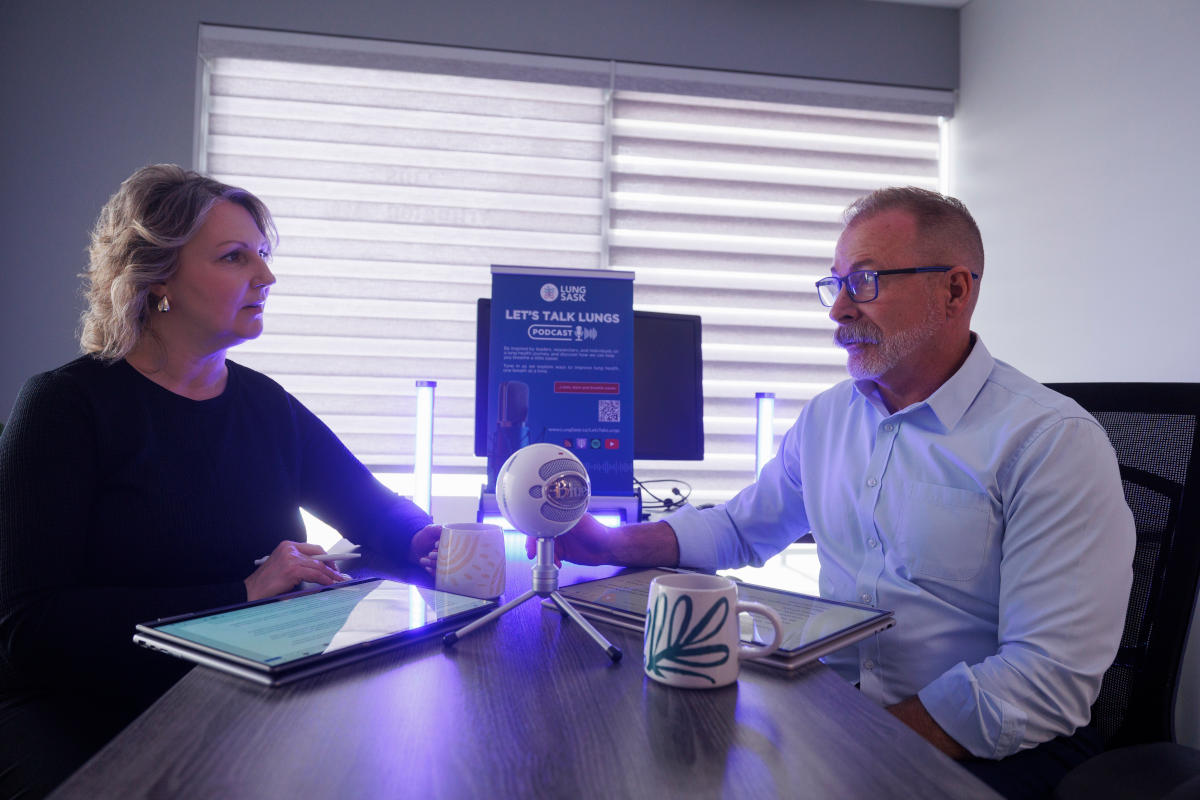
In 2025, the Let's Talk Lungs podcast completed its first full year of production, helping translate lung health research, clinical expertise, and emerging evidence into accessible public education. Episodes connected listeners with expert-led conversations on asthma, COPD, interstitial lung disease, RSV, mRNA technologies, wildfire smoke, air quality, and radon exposure.
The podcast also highlighted practical supports for smoking cessation, lung cancer risk reduction, pediatric lung health, and everyday respiratory wellness. By bringing researchers, health professionals, and community voices into conversation, Let's Talk Lungs strengthened Lung Saskatchewan's role as a trusted source of timely, evidence-informed lung health information.
The 2025 season reflects Lung Saskatchewan's commitment to moving knowledge beyond reports and clinics, making research and respiratory health education easier for people across the province to hear, understand, and use.
podcast episodes in 2025
research and lung health themes
Lung Saskatchewan is deeply thankful for each and every one of our incredible donors. We are sincerely grateful that you believe in our mission and choose to stand with us in helping improve lung health for people across our province.
Every gift makes a meaningful difference. Whether through a one-time donation or ongoing monthly support, your generosity helps ensure trusted education, advocacy, and support remain available for people across Saskatchewan. We are especially grateful to our dedicated monthly donors whose steady, reliable support helps sustain this work throughout the year.
Together, we are making a difference for Saskatchewan families and helping more people breathe a little easier. From everyone at Lung Saskatchewan, thank you for being part of our lung family. Your support helps improve lung health for Saskatchewan residents, one breath at a time. We could not do it without you, and we will always be stronger together.
donors in 2025
monthly donors



































































Lung Saskatchewan is a registered health charity that operates independently and without operational funding from any level of government.
Our work is made possible by people like you, who believe lung health matters. Every program we deliver, every service we provide, every education resource we share, and every advocacy effort we lead is supported by the generosity of donors, sponsors, and community partners.
This independence allows us to remain focused on the needs of people across Saskatchewan, providing trusted information, practical support, and a strong voice for lung health in our province.
If lung health matters to you, or if you or someone you love has benefited from our work, we invite you to take action. Your gift helps ensure that our province continues to have access to essential lung health education, advocacy, and support when it is needed most.